
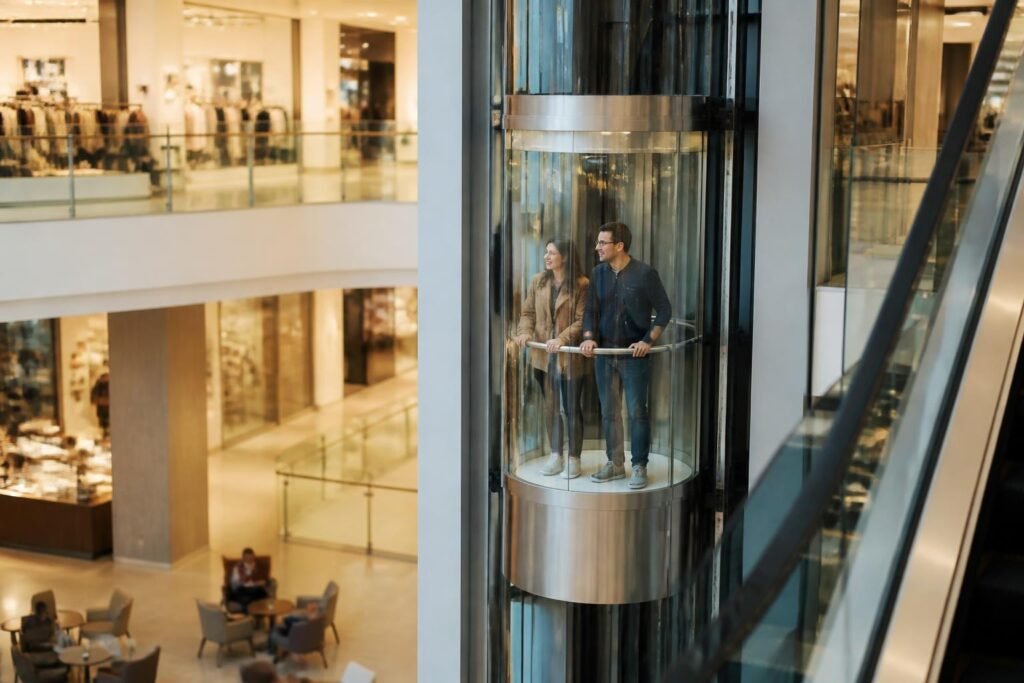
Shopping centers represent complex vertical transportation challenges that require sophisticated elevator solutions. Modern malls can span six or more floors, handling thousands of daily visitors who need safe, efficient movement between parking garages, retail floors, food courts, and entertainment zones. The role of lifts in malls extends far beyond basic transportation-they shape customer experience, influence traffic patterns, and directly impact a facility's operational success.
Understanding the Critical Role of Vertical Transportation
Shopping centers depend on reliable elevator systems to maintain smooth operations during peak shopping hours, holiday seasons, and special events. A single malfunctioning lift can create bottlenecks that ripple throughout the entire facility, frustrating customers and reducing retail performance.
The importance of lifts in malls becomes especially evident when considering accessibility requirements. Elevator mandates under ADA and building codes ensure that all visitors, regardless of mobility status, can access every public area of a shopping center. These regulations apply to new constructions and major renovations, establishing minimum standards for elevator quantity, size, and performance specifications.
Capacity Planning and Traffic Analysis
Mall developers must carefully calculate vertical transportation needs based on anticipated foot traffic, floor count, and tenant mix. A typical shopping center requires different elevator specifications than other commercial buildings due to:
- Peak traffic patterns during weekends, holidays, and sales events
- Mixed-use demands from shoppers, staff, delivery personnel, and maintenance crews
- Extended operating hours requiring durable, high-cycle equipment
- Variable load requirements accommodating strollers, wheelchairs, and shopping carts
Research on elevator dynamics in tall buildings provides valuable insights into wait time optimization and system efficiency that directly apply to multi-story retail environments.
Design Specifications for Commercial Shopping Centers
Selecting appropriate elevator systems for retail environments requires understanding unique operational parameters that distinguish malls from office buildings or residential properties.

Passenger Capacity and Speed Requirements
Shopping center lifts must balance competing priorities between speed, capacity, and energy efficiency. Standard passenger lifts in malls typically accommodate 1,600 to 2,500 kilograms, allowing 20-30 people per trip or multiple shoppers with strollers and packages.
Speed requirements vary by building height:
| Building Height | Recommended Speed | Typical Application |
|---|---|---|
| 2-4 floors | 1.0-1.5 m/s | Small neighborhood centers |
| 5-8 floors | 1.75-2.5 m/s | Regional shopping malls |
| 9+ floors | 3.0-4.0 m/s | Vertical malls and mixed-use towers |
For shopping centers in Punjab, Pakistan, HABRICK Engineering Lift & Elevator Works provides comprehensive assessment services to determine optimal specifications based on local traffic patterns and building characteristics.
Door Configuration and Accessibility
Unlike office elevators, lifts in malls require wider door openings to accommodate shopping carts, wheelchairs, and high volumes of simultaneous passengers. Center-opening doors provide faster ingress and egress compared to side-opening configurations, reducing dwell time at each floor.
Minimum clear door width should meet or exceed 1,100 millimeters to comply with universal accessibility standards. Glass-paneled doors enhance security by allowing visual confirmation of car occupancy and create an open, welcoming atmosphere that aligns with retail environments.
Safety Standards and Regulatory Compliance
Shopping center operators face stringent safety obligations due to public accessibility and high daily ridership. Understanding applicable codes ensures both legal compliance and visitor protection.
Washington State’s elevator safety regulations provide a comprehensive example of state-level requirements that supplement national codes. While specific regulations vary by jurisdiction, most shopping centers must address:
- Annual inspections by certified technicians
- Load testing to verify rated capacity
- Emergency communication systems connecting to security or management offices
- Backup power supplies for emergency evacuation capabilities
- Fire service operation allowing firefighter control during emergencies
Inspection Protocols and Maintenance Schedules
The importance of regular elevator inspections for shopping malls cannot be overstated. Commercial elevators require monthly preventive maintenance visits and comprehensive quarterly inspections covering:
- Mechanical components: cables, sheaves, bearings, and brake systems
- Electronic controls: drive systems, position sensors, and door operators
- Safety devices: overspeed governors, buffer springs, and door sensors
- Aesthetic elements: car interiors, lighting, and signage
- Documentation: maintenance logs, repair records, and compliance certificates
Neglecting maintenance leads to increased breakdown frequency, extended downtime, and potential liability exposure from accidents or injuries.
Traffic Management and Flow Optimization
Efficient vertical transportation planning directly impacts the shopping experience and tenant satisfaction. Poor elevator performance drives customers away and reduces sales per square foot across the entire property.
Coordinating Multiple Elevator Systems
Large shopping centers often employ multiple elevator banks serving different floor combinations. Express lifts may connect parking levels directly to upper-floor restaurants, while local elevators serve all retail floors. Managing multiple elevators in high-traffic environments requires sophisticated dispatch algorithms that minimize wait times while balancing car distribution.
Modern destination dispatch systems allow passengers to select their floor before entering the elevator, enabling the control system to group trips efficiently. This technology reduces:
- Average waiting time by 20-30%
- Journey time by eliminating unnecessary stops
- Energy consumption through optimized car movement
- Crowding by directing passengers to specific cars
Integration with Escalator Systems
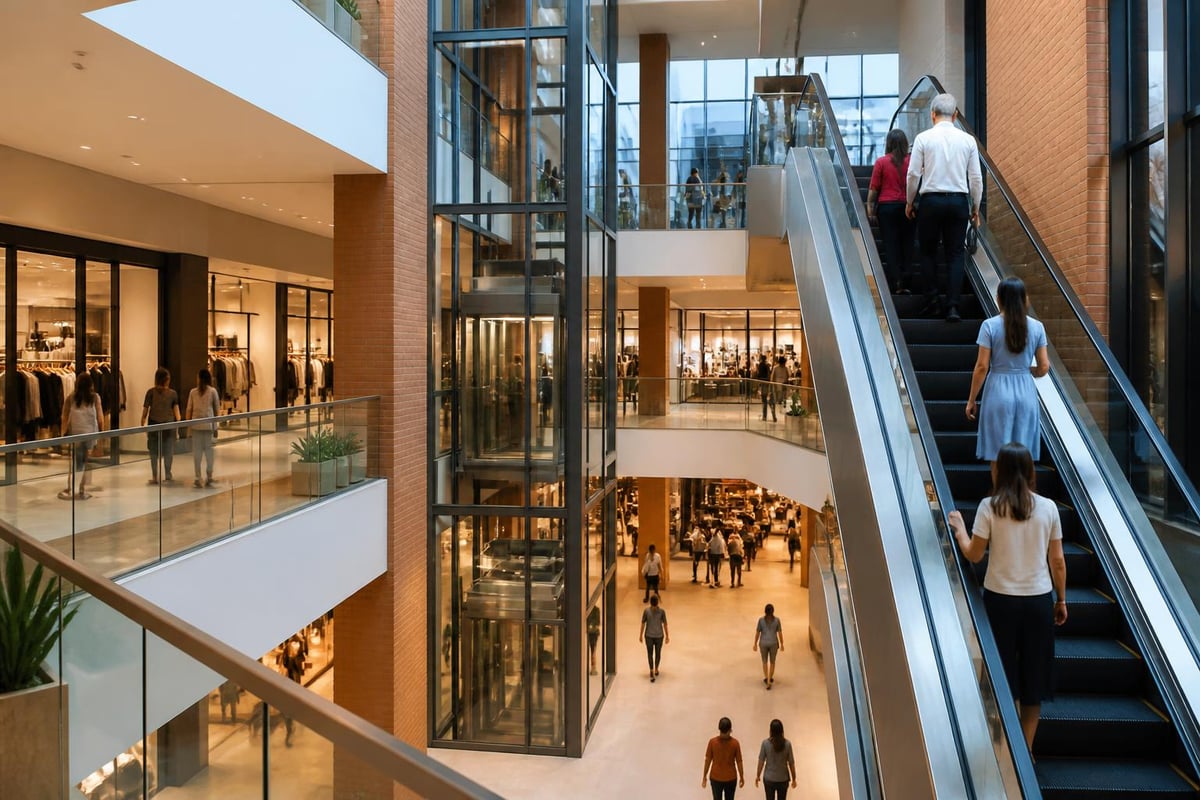
While escalators handle the majority of inter-floor traffic in shopping centers, lifts in malls serve essential complementary functions. Escalators excel at managing heavy foot traffic between adjacent floors, but elevators remain necessary for:
Accessibility compliance for wheelchair users and individuals with mobility limitations
Multi-floor journeys connecting parking basements to upper-level dining or entertainment zones
Oversized items including strollers, luggage, and bulk purchases
Service access for maintenance staff, deliveries, and janitorial equipment
The most effective retail environments use elevators and escalators strategically to create seamless circulation patterns that enhance customer experience and maximize exposure to tenant storefronts.
Installation Considerations for New Developments
Shopping center developers must address elevator planning during early design phases to ensure proper integration with structural, mechanical, and architectural systems.
Hoistway Design and Space Allocation
Elevator shafts represent significant spatial commitments that affect building layout and leasable square footage. Each hoistway requires:
| Component | Space Requirement | Design Consideration |
|---|---|---|
| Shaft dimensions | 2.0-3.0 m x 2.0-3.0 m per car | Varies by capacity and speed |
| Machine room | 15-25 m² traditional / 0 m² MRL | Machine-room-less saves overhead space |
| Pit depth | 1.2-1.8 m | Required for buffers and compensation |
| Overhead clearance | 4.0-5.5 m | Depends on travel height and equipment |
Machine-room-less (MRL) elevator technology has gained popularity in modern shopping centers by eliminating dedicated equipment rooms above hoistways. This innovation frees valuable upper-floor space for revenue-generating uses while reducing construction costs.
Structural Integration Requirements
Elevator systems impose significant loads on building structures through:
- Static loads from equipment weight, typically 10,000-15,000 kg per installation
- Dynamic loads from acceleration, deceleration, and passenger weight variations
- Seismic considerations requiring flexible connections and emergency braking systems
- Vibration isolation to prevent transmission to adjacent retail spaces
Coordination between elevator contractors, structural engineers, and architects during design development prevents costly modifications during construction. In Punjab, Pakistan, where top elevator companies provide design-build services, integrated project delivery streamlines this coordination process.
Modernization of Existing Systems
Many shopping centers operate with elevator equipment installed decades ago, presenting opportunities for performance improvements through modernization rather than complete replacement.
Performance Upgrades and Technology Integration
Elevator modernization projects typically focus on:
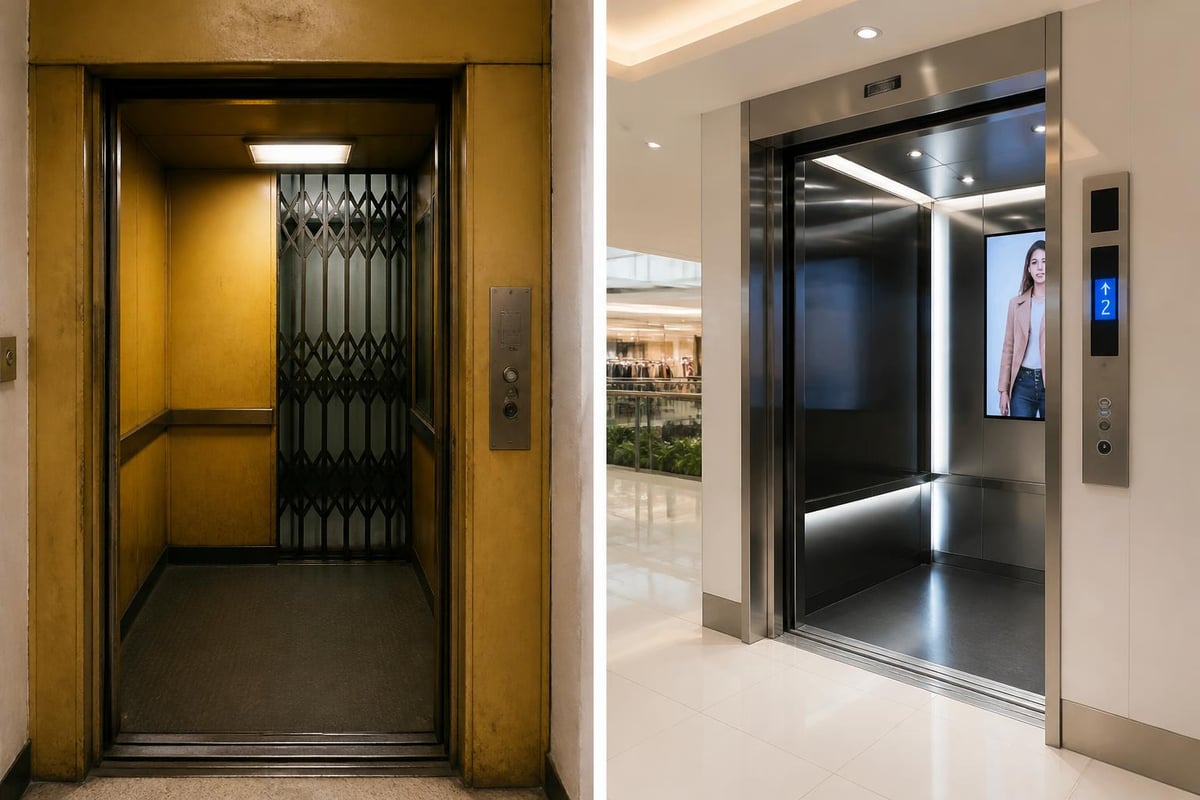
Control system replacement upgrading relay logic to microprocessor-based systems with destination dispatch
Door operator improvements reducing opening/closing cycle time by 30-40%
Drive system conversion from hydraulic to traction or upgrading to regenerative drives
Interior renovation updating aesthetics to match contemporary retail design standards
Safety enhancement adding emergency communication, backup lighting, and monitoring systems
Modernization delivers operational improvements without the extended downtime and structural disruption of complete replacement. Projects can often be phased to maintain partial elevator service throughout construction.
Return on Investment Analysis
Shopping center owners evaluate modernization projects based on multiple financial factors:
- Energy savings: Modern drives and LED lighting reduce operating costs by 40-60%
- Maintenance reduction: New equipment decreases service calls and emergency repairs
- Liability mitigation: Updated safety systems reduce accident risk and insurance premiums
- Tenant satisfaction: Improved performance supports lease renewals and attracts premium retailers
- Property value: Modern vertical transportation increases overall asset valuation
For home lifts, passenger lifts, and commercial installations, comprehensive modernization packages provide the best value compared to selective component replacement.
Emergency Preparedness and Business Continuity
Shopping centers must maintain elevator service during power outages, natural disasters, and equipment failures to ensure visitor safety and business continuity.
Backup Power and Emergency Operation
Code requirements mandate emergency power for at least one elevator serving all floors, allowing evacuation of individuals unable to use stairs. Backup systems include:
Generator connections automatically engaging during utility failures
Battery-powered lowering bringing cars to the nearest floor for passenger release
Fire service operation overriding normal controls for firefighter use
Two-way communication connecting trapped passengers to emergency responders
Regular testing of emergency systems, typically quarterly, verifies functionality before actual emergencies occur.
Incident Response Protocols
Shopping center management teams require clear procedures for elevator emergencies:
- Immediate notification of monitoring service and maintenance contractor
- Security personnel deployment to affected elevator locations
- Communication with trapped passengers providing reassurance and updates
- Coordination with emergency services if rescue assistance needed
- Documentation of incident details for regulatory reporting and liability protection
Comprehensive training for security staff, maintenance personnel, and management ensures coordinated responses that prioritize passenger safety while minimizing operational disruption.
Aesthetic Integration and Customer Experience
Beyond functional performance, lifts in malls contribute to the overall design aesthetic and brand identity of shopping destinations.
Interior Design and Finish Selection
Elevator interiors represent opportunities to reinforce design themes established throughout the property. Premium shopping centers specify:
- Metal finishes: Stainless steel, brass, or bronze panels complementing architectural detailing
- Glass elements: Back walls or side panels creating visual interest and reducing claustrophobia
- Lighting systems: LED strips, cove lighting, or decorative fixtures enhancing ambiance
- Flooring materials: Stone, tile, or specialized resilient products matching corridor finishes
- Digital displays: Information screens showing mall directory, promotional content, or wayfinding
Vandalism-resistant materials and easy-to-clean surfaces remain essential considerations in public environments experiencing heavy daily use.
Wayfinding and Signage Systems
Clear identification of elevator locations and floor-serving patterns helps visitors navigate multi-level shopping centers efficiently. Effective signage includes:
Directional signs at key decision points guiding customers to elevator lobbies
Floor indicators showing current location and available destinations
Accessibility symbols identifying elevators meeting ADA requirements
Capacity notices preventing overloading and ensuring safe operation
Integration with digital wayfinding systems and mobile applications provides additional navigation support for tech-savvy shoppers.
Operational Best Practices for Shopping Centers
Successful management of elevator systems requires ongoing attention to performance monitoring, preventive maintenance, and continuous improvement.
Performance Metrics and Monitoring
Progressive shopping center operators track key performance indicators including:
| Metric | Target Range | Impact Area |
|---|---|---|
| Average wait time | < 30 seconds | Customer satisfaction |
| Uptime percentage | > 99.5% | Service reliability |
| Mean time between failures | > 90 days | Equipment reliability |
| Energy consumption per trip | Baseline – 15% | Operating cost |
| Callback rate | < 3% per month | Service quality |
Real-time monitoring systems alert facility teams to performance degradation before complete failures occur, enabling proactive intervention that minimizes downtime.
Contractor Selection and Service Agreements
Choosing qualified maintenance providers ensures reliable elevator performance. Evaluation criteria should include:
Technical expertise with specific equipment brands and models installed
Response time commitments for emergency service and routine maintenance
Parts inventory maintaining critical components for immediate availability
Certification credentials of technicians performing inspections and repairs
Performance guarantees with financial penalties for excessive downtime
In Pakistan's elevator market, selecting the best lift installation companies with proven track records in commercial projects ensures long-term system reliability.
Effective vertical transportation is fundamental to shopping center success, influencing customer satisfaction, accessibility compliance, and operational efficiency. Whether planning new installations, modernizing existing systems, or maintaining current equipment, partnering with experienced professionals ensures optimal performance and safety. HABRICK Engineering Lift & Elevator Works delivers comprehensive elevator solutions tailored to shopping centers throughout Punjab, Pakistan, combining technical expertise with responsive service to keep your facility moving smoothly. Contact HABRICK today to discuss your mall's vertical transportation needs and discover how their proven elevator systems can enhance your property's performance.
Article written using RankPill.