
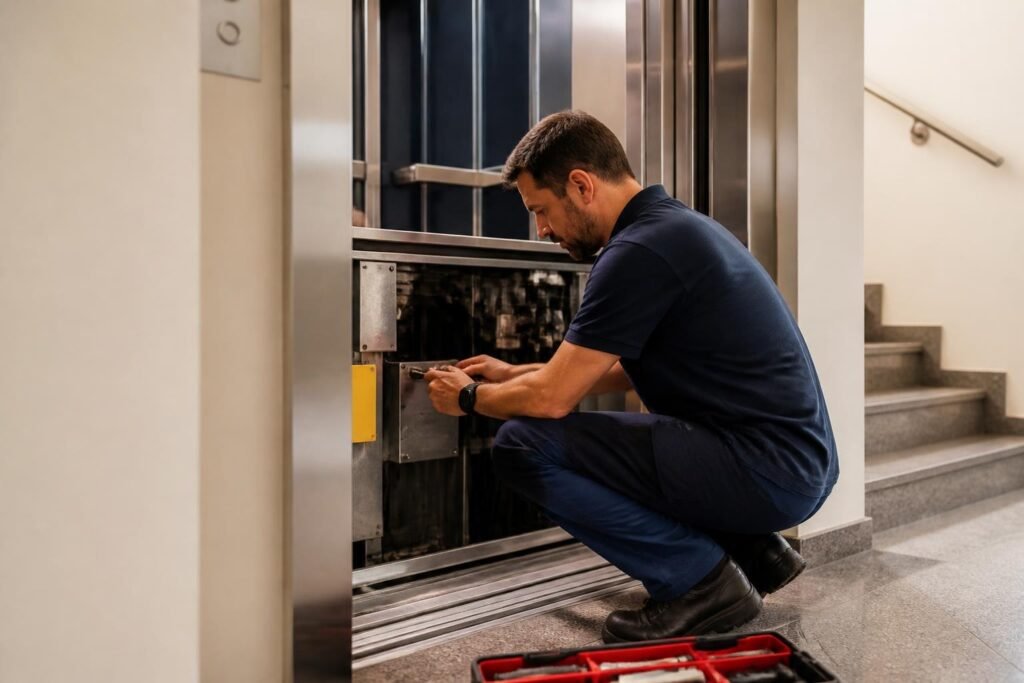
Residential elevators have become increasingly popular in Pakistani homes, offering convenience, accessibility, and value enhancement. Whether you've installed a passenger lift in your multi-story residence or are considering adding one, understanding proper home elevator maintenance is essential for ensuring safe operation, extending equipment lifespan, and protecting your investment. Regular maintenance not only prevents costly breakdowns but also ensures that your family can rely on their home lift system every single day without safety concerns or operational disruptions.
Understanding the Importance of Regular Home Elevator Maintenance
Home elevator systems represent a significant investment that requires ongoing attention to function optimally. Unlike commercial elevators that undergo frequent mandatory inspections, residential lifts depend heavily on homeowner diligence and scheduled professional servicing to maintain their safety standards.
Neglecting routine maintenance can lead to several serious consequences:
- Accelerated wear on critical components like cables, pulleys, and door mechanisms
- Increased risk of unexpected breakdowns and safety hazards
- Voided manufacturer warranties due to non-compliance with service requirements
- Higher long-term costs from emergency repairs versus preventive care
- Reduced property value if the elevator system becomes unreliable
The comprehensive maintenance approach recommended by industry experts emphasizes both homeowner vigilance and professional technical support. This dual approach ensures that minor issues get identified early before they escalate into major problems requiring extensive repairs.
Cost Considerations and Long-Term Value
While some homeowners hesitate at maintenance expenses, the financial logic favors preventive care. Emergency repairs typically cost three to five times more than scheduled maintenance visits. Additionally, well-maintained elevators retain their efficiency, consuming less energy and operating more smoothly throughout their extended service life.
Professional maintenance programs typically range from $300 to $600 annually depending on elevator type, usage frequency, and regional service availability. This investment protects equipment that costs tens of thousands of dollars to install, making it one of the most cost-effective home improvement expenditures you can make.

Essential Components Requiring Regular Inspection
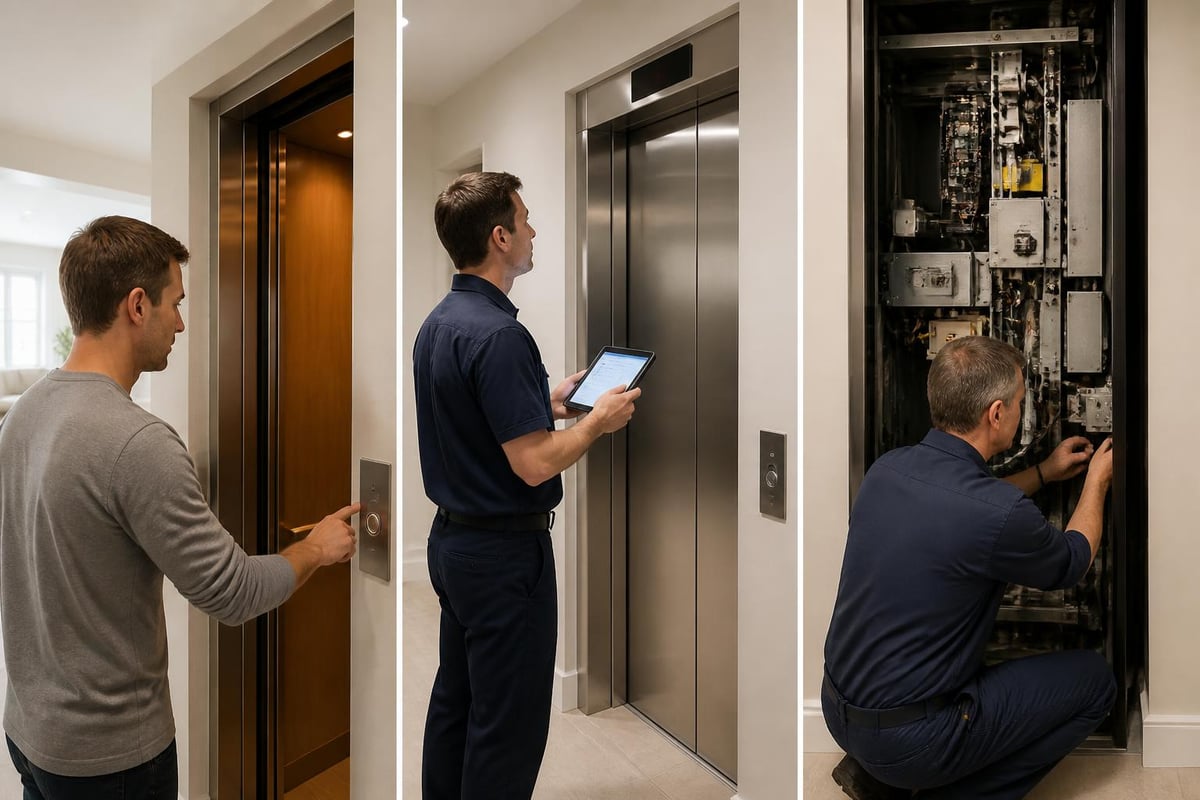
Understanding which elevator components need attention helps homeowners monitor their systems effectively between professional service visits. Each component plays a critical role in safe, reliable operation.
Mechanical Systems and Moving Parts
The mechanical systems form the foundation of elevator operation. Cables, pulleys, and drive mechanisms endure constant stress with each trip, making them priority inspection items.
| Component | Inspection Frequency | Key Warning Signs |
|---|---|---|
| Cables | Monthly visual, Annual professional | Fraying, rust, unusual wear patterns |
| Pulleys | Quarterly | Excessive noise, vibration, alignment issues |
| Guide Rails | Quarterly | Scoring, misalignment, lubrication deficiency |
| Door Mechanisms | Monthly | Jerky movement, delayed response, unusual sounds |
| Emergency Brake | Annual professional | Cannot test without professional equipment |
Cable systems demand particular attention because they directly support the elevator car. Even minor cable damage can compromise safety. Professional technicians use specialized tools to measure cable tension and detect internal wire breakage invisible to visual inspection.
Drive system components, including motors and gearboxes, require lubrication and adjustment to prevent premature failure. The maintenance checklist approach provides structured guidance for tracking these critical maintenance tasks throughout the year.
Electrical and Control Systems
Modern home elevators rely on sophisticated electronic controls that manage speed, positioning, safety features, and user interfaces. These systems require specialized knowledge to maintain properly.
Control panels should remain clean and dry, with all indicator lights functioning correctly. Circuit breakers and electrical connections need periodic inspection for signs of overheating, corrosion, or loose wiring. Battery backup systems, where installed, must be tested regularly to ensure emergency operation capability during power outages.
Safety sensors and limit switches represent your primary protection against accidents. These devices prevent door closure when obstructions are detected and stop the car at proper floor levels. Even slight misalignment can cause operational problems or create safety risks.
Monthly Maintenance Tasks Homeowners Can Perform
While comprehensive home elevator maintenance requires professional expertise, homeowners can conduct valuable monthly checks that identify potential issues early and maintain system cleanliness.
Visual and Auditory Inspections
Start each month with a thorough visual inspection of accessible components. Look for oil leaks beneath the elevator car, unusual wear patterns on door tracks, and any visible cable damage. Listen carefully during operation for new or changed sounds that might indicate developing mechanical problems.
During your monthly inspection, check:
- Door operation smoothness and alignment
- Interior and exterior call button functionality
- Emergency communication system operation
- Interior lighting and ventilation
- Absence of unusual vibrations or jerking movements
- Proper car leveling at each floor
Clean the elevator car interior, including floors, walls, and ceiling. Dirt and debris can interfere with door sensors and create slipping hazards. Wipe down control panels with appropriate cleaning products that won't damage electronic components.
Door and Safety System Checks
Doors represent the most frequently used elevator component and require consistent attention. Test door sensors by placing an object in the door path during closure. The doors should immediately reverse direction, demonstrating proper safety feature operation.
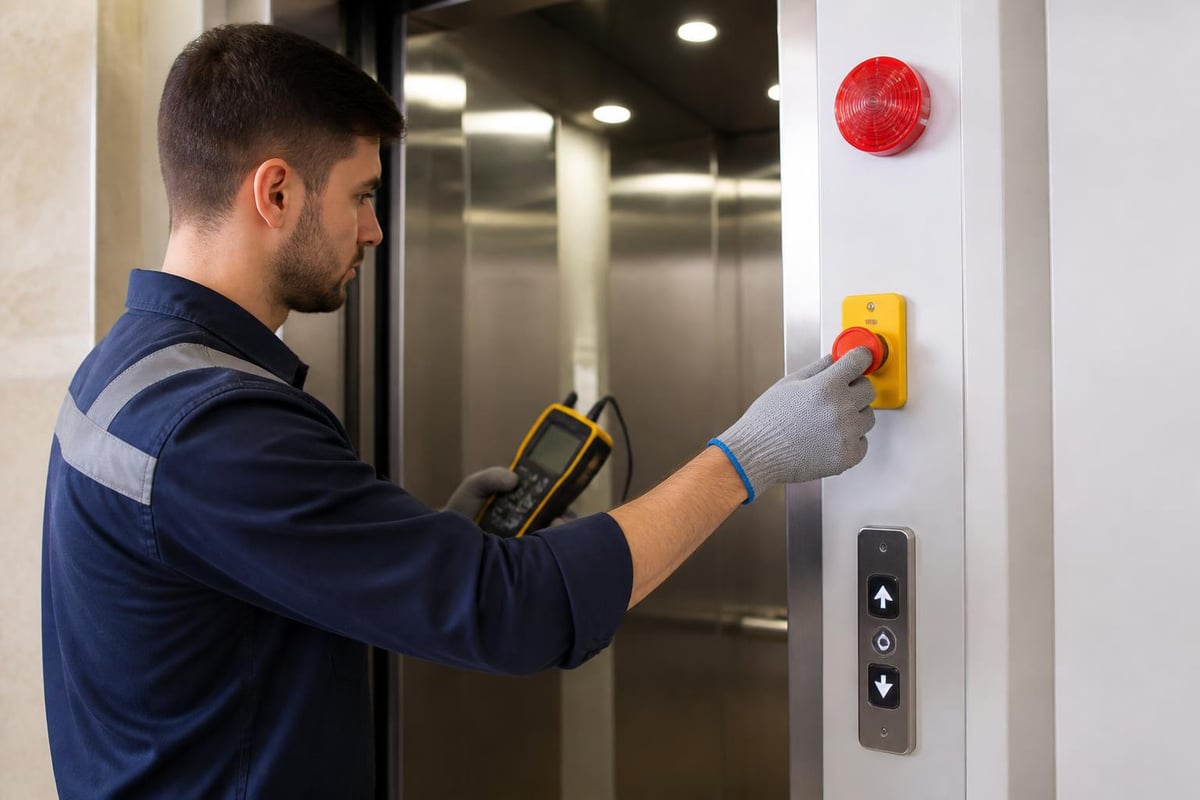
Emergency stop buttons must be tested monthly to verify they immediately halt elevator movement. After testing, ensure the elevator resets properly and resumes normal operation. Document these tests to track any degradation in response time or reliability.
Weight sensors should trigger an overload alarm when capacity is exceeded. While you shouldn't regularly overload your elevator, occasional verification that this safety feature works properly provides important peace of mind.
Professional Maintenance Requirements and Schedules
Professional technicians bring specialized knowledge, diagnostic equipment, and replacement parts that homeowners cannot provide. Establishing a relationship with a qualified service provider is essential for long-term elevator reliability.
Quarterly Professional Inspections
Every three months, a certified technician should perform comprehensive system evaluation beyond homeowner capabilities. These inspections include:
- Cable tension measurement and internal wire testing
- Brake system functionality and adjustment
- Motor and drive system performance evaluation
- Safety circuit testing and verification
- Lubrication of mechanical components
- Electrical system diagnostics
These quarterly visits typically take two to three hours and provide opportunities for technicians to adjust components before minor misalignments become serious problems. The technician's trained eye can spot early warning signs that homeowners might miss, such as subtle changes in motor performance or gradual sensor degradation.
Annual Comprehensive Servicing
Once yearly, schedule an extensive maintenance session that includes detailed inspection and servicing of all elevator systems. This annual service goes beyond routine checks to include preventive replacement of wear items and thorough system testing.
| Annual Service Component | Purpose | Typical Duration |
|---|---|---|
| Complete cable inspection | Detect internal damage | 45-60 minutes |
| Controller system diagnostics | Verify programming, update software | 30-45 minutes |
| Emergency system testing | Confirm backup power, alarms | 20-30 minutes |
| Comprehensive cleaning | Remove accumulated debris | 30-45 minutes |
| Parts replacement | Address worn components | Variable |
| Full operational testing | Verify all systems | 30-45 minutes |
Annual servicing provides the perfect opportunity to discuss system performance with your technician, report any concerns you've noticed, and plan for future component replacements or upgrades. This proactive approach prevents surprises and allows budget planning for upcoming maintenance needs.
Common Home Elevator Problems and Prevention Strategies
Understanding typical elevator issues helps homeowners recognize problems early and take appropriate action. Many common problems result from deferred maintenance rather than component failure.
Operational Issues and Their Causes
Uneven floor leveling occurs when the elevator car doesn't align properly with floor height. This safety hazard often results from cable stretch, worn sheaves, or control system calibration drift. Professional adjustment restores proper leveling and prevents tripping hazards.
Door malfunctions rank among the most frequent elevator complaints. Doors that close too quickly, won't close completely, or open erratically typically indicate sensor problems, track obstruction, or operator mechanism wear. Regular cleaning and adjustment prevent most door issues.
Unusual noises during operation signal developing mechanical problems. Grinding sounds suggest inadequate lubrication or worn bearings. Squealing indicates belt or pulley issues. Banging noises might reveal loose components or shock absorber problems. Never ignore sound changes, as they provide early warning of component distress.
Preventing Premature Component Failure
The best maintenance strategy prevents problems rather than reacting to failures. Several practices significantly extend component life and reduce breakdown frequency.
Implement these preventive measures:
- Enforce weight capacity limits strictly
- Avoid abrupt start/stop button manipulation
- Keep the elevator interior clean and free from debris
- Report minor operational changes immediately
- Maintain climate control to prevent moisture damage
- Schedule maintenance before problems develop
Environmental factors significantly impact elevator longevity. Excessive humidity accelerates metal corrosion and electrical component deterioration. Extreme temperature fluctuations stress mechanical parts and affect lubrication effectiveness. Where possible, maintain stable environmental conditions in elevator shafts and machinery spaces.
Selecting the Right Maintenance Provider in Pakistan
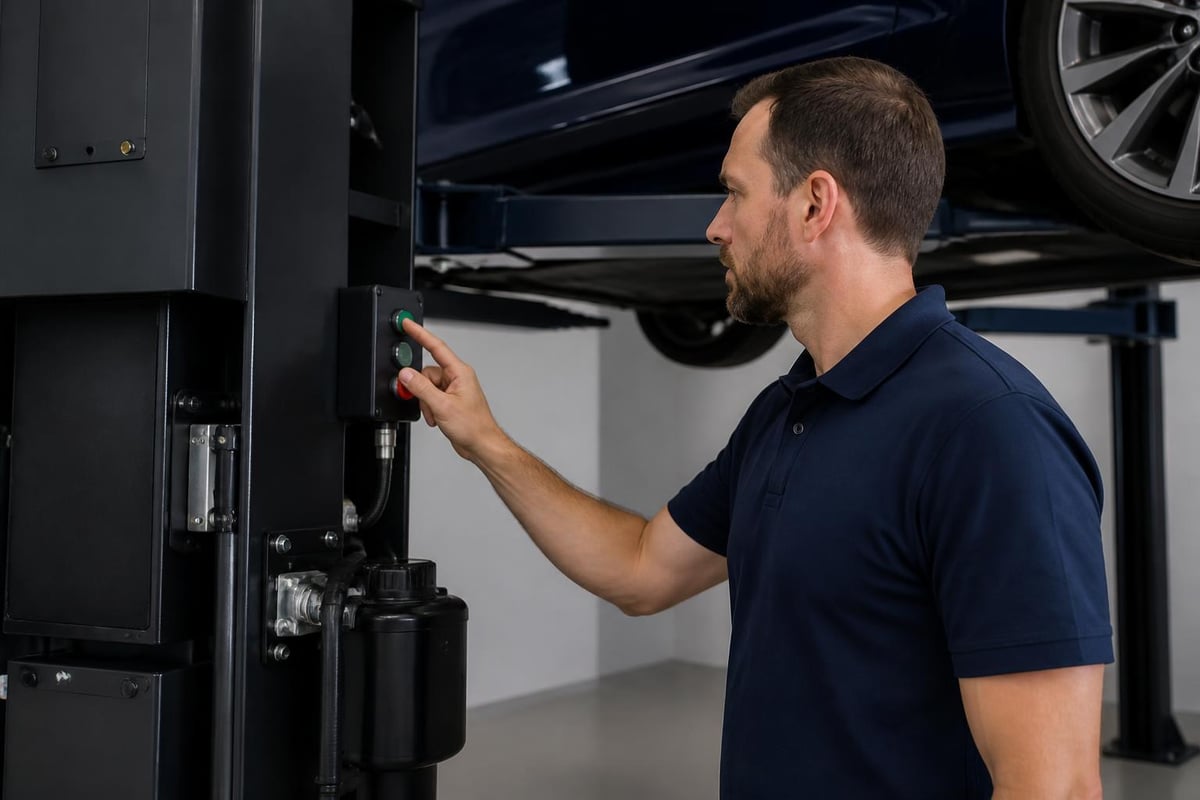
Choosing a qualified maintenance provider significantly impacts your elevator's performance, safety, and longevity. The Pakistani market offers various service options, but not all providers deliver equal expertise or reliability.
Qualifications and Experience Considerations
Prioritize providers who demonstrate:
- Manufacturer-specific training and certification
- Extensive experience with residential elevator systems
- Proven track record in your geographic region
- 24/7 emergency service availability
- Transparent pricing and service agreements
- Comprehensive insurance coverage
Request references from existing customers and verify the provider's history with your elevator manufacturer. Some manufacturers require authorized service providers to maintain warranty coverage, making provider selection even more critical.
Service Agreement Components
Professional maintenance agreements should clearly define service scope, visit frequency, response times, and cost structures. Review agreements carefully to understand what's included versus additional charges.
Essential agreement elements include:
- Scheduled preventive maintenance visit frequency
- Emergency call response time guarantees
- Parts and labor coverage details
- Service visit documentation requirements
- Annual cost adjustment provisions
- Contract termination conditions
The best providers offer customized agreements matching your specific elevator model, usage patterns, and budget constraints. Avoid one-size-fits-all contracts that may include unnecessary services or omit critical maintenance tasks.
Special Maintenance Considerations for Different Elevator Types
Home elevator maintenance requirements vary based on drive system type, installation configuration, and usage patterns. Understanding your specific elevator's needs ensures appropriate care.
Hydraulic Versus Traction Systems
Hydraulic elevators use fluid pressure to lift the car, requiring unique maintenance attention. Hydraulic fluid levels, pump condition, and seal integrity demand regular monitoring. Fluid leaks indicate seal failure requiring immediate professional attention.
Hydraulic system maintenance includes:
- Monthly fluid level verification
- Quarterly pump performance testing
- Annual seal and valve inspection
- Periodic fluid replacement (typically every 3-5 years)
- Temperature monitoring to prevent overheating
Traction elevators rely on cables and counterweights, emphasizing different maintenance priorities. Cable condition, sheave wear, and motor brush inspection become primary focus areas. These systems generally require less fluid management but demand meticulous mechanical component attention.
Outdoor and Enclosed Installation Differences
Elevators installed in climate-controlled interior spaces face fewer environmental challenges than outdoor or partially exposed installations. Outdoor elevators require enhanced weatherproofing maintenance and more frequent component inspection due to temperature fluctuations, moisture exposure, and contamination risks.
Enclosed outdoor elevator installations need regular seal inspection to prevent water intrusion. Drainage systems must remain clear to prevent standing water accumulation. Control systems may require additional environmental protection and more frequent cleaning to remove dust and moisture.
Maintaining Safety Compliance and Documentation
Proper home elevator maintenance extends beyond mechanical care to include comprehensive record-keeping and safety compliance verification. These practices protect both occupants and property value.
Record-Keeping Best Practices
Maintain detailed documentation of:
- All professional service visits with date, technician name, and work performed
- Monthly homeowner inspection results and observations
- Any unusual incidents or operational anomalies
- Parts replacement history with component specifications
- Warranty information and expiration dates
- Emergency contact information for service providers
This documentation proves invaluable when selling your property, processing warranty claims, or diagnosing recurring problems. Digital records with photographs provide even more comprehensive system history.
Safety Testing and Verification
Beyond routine maintenance, periodic safety testing ensures all protective systems function correctly. Emergency brakes, overload sensors, door safety edges, and alarm systems require regular functional testing under controlled conditions.
Professional technicians use specialized equipment to verify safety system response times and triggering thresholds. These tests may include simulated emergency stops, overload conditions, and door obstruction scenarios. The comprehensive safety approach recommended by industry experts ensures all protective features operate within specifications.
Modernization and Upgrade Opportunities
As home elevator systems age, modernization becomes increasingly relevant to home elevator maintenance strategy. Upgrading components improves safety, enhances efficiency, and extends overall system life.
When to Consider System Upgrades
Evaluate modernization when:
- Your elevator exceeds 15-20 years of service
- Replacement parts become difficult to source
- Energy consumption seems excessive compared to modern systems
- Control systems lack current safety features
- Operational noise increases despite maintenance
- Technology improvements offer significant benefits
Partial modernization often provides excellent value by replacing outdated controls and drive systems while retaining structural components. This approach costs less than complete replacement while delivering most benefits of new installation.
Component-Level Improvements
Even without full system modernization, strategic component upgrades enhance performance and safety. LED lighting reduces energy consumption while improving visibility. Touchscreen controls provide better user experience than mechanical buttons. Variable frequency drives improve ride quality and decrease energy usage.
Battery backup systems ensure operation during power outages, particularly important for individuals with mobility limitations who depend on elevator access. Modern door operators provide smoother, quieter operation with enhanced safety features compared to older mechanisms.
Proper home elevator maintenance protects your investment, ensures family safety, and maintains reliable vertical transportation in your residence. By combining conscientious homeowner monitoring with professional technical service, you can enjoy decades of trouble-free elevator operation. For homeowners throughout Punjab, Pakistan seeking expert installation and maintenance services, HABRICK Engineering Lift & Elevator Works offers comprehensive elevator solutions backed by extensive experience in residential, commercial, and industrial projects, ensuring your home lift system receives the professional care it deserves for optimal performance and longevity.
Article written using RankPill.