
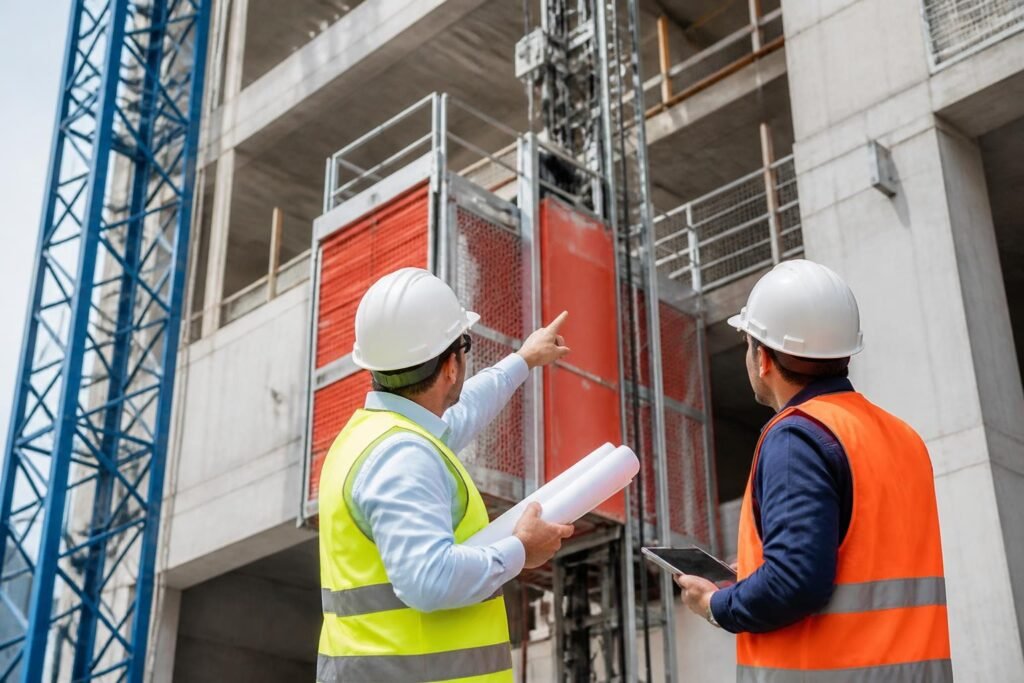
Construction sites across Pakistan and worldwide rely on specialized vertical transportation systems to move workers, materials, and equipment efficiently between floors. An elevator for construction serves as a critical component of modern building projects, enabling safe access to multiple levels while ensuring compliance with strict safety regulations. These temporary or permanent installations require careful planning, professional installation, and ongoing maintenance to protect workers and support project timelines.
Understanding Construction Elevator Requirements
An elevator for construction differs significantly from standard passenger elevators in both design and operational parameters. These systems must accommodate heavy loads, frequent use, and challenging environmental conditions while maintaining rigorous safety standards.
Regulatory Framework and Compliance
Construction elevators operate under specific regulatory guidelines that vary by jurisdiction. In the United States, the ASME A17.1 safety code establishes comprehensive standards for elevator and escalator safety, including specific provisions for construction applications. These regulations address critical safety features such as:
- Emergency braking systems and overload protection
- Enclosed car requirements and safety gates
- Proper operator certification and training protocols
- Regular inspection schedules during construction phases
- Fire service and emergency evacuation capabilities
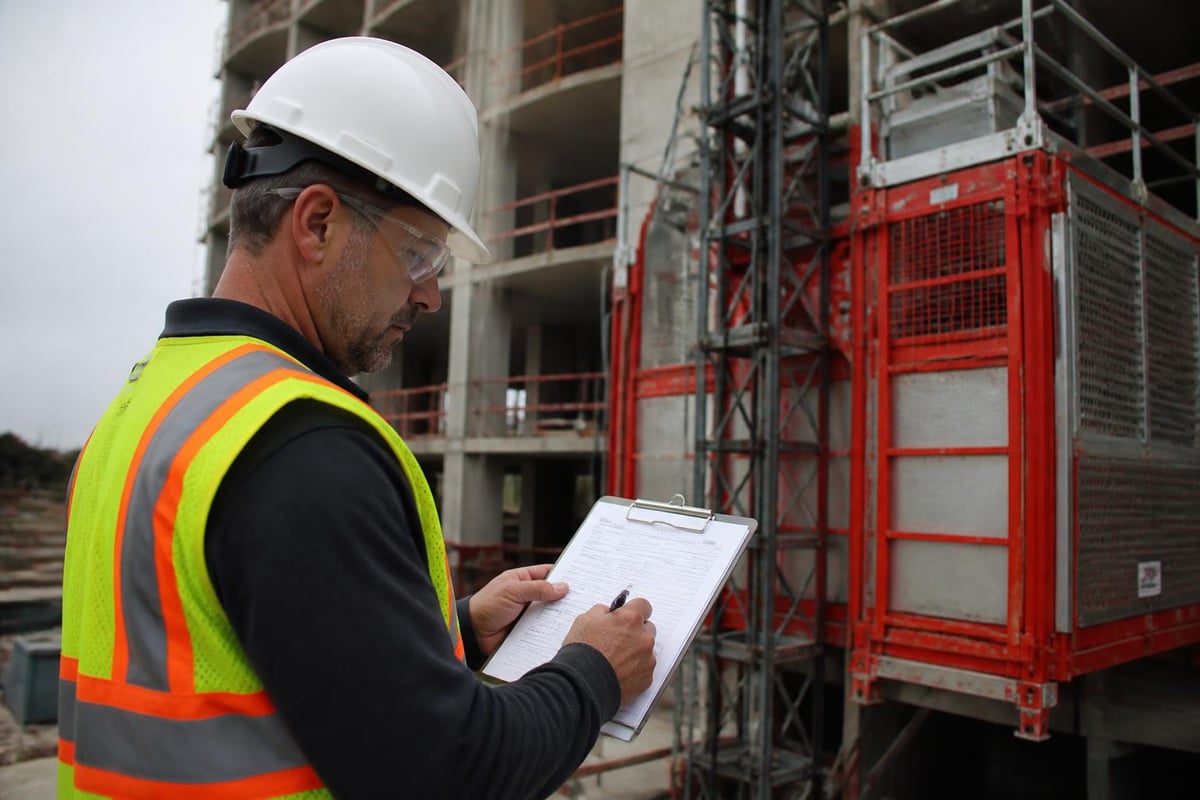
Safety compliance is not optional. Project managers must understand that elevators used during construction require specialized operational procedures that differ from standard elevator use.

Types of Construction Elevators
Different building projects demand different vertical transportation solutions. The selection process depends on building height, load requirements, and project duration.
| Elevator Type | Weight Capacity | Typical Application | Installation Timeline |
|---|---|---|---|
| Material Hoist | 3,000-10,000 lbs | Material transport only | 2-4 weeks |
| Personnel Hoist | 2,000-5,000 lbs | Worker transport | 3-5 weeks |
| Combination Unit | 4,000-8,000 lbs | Workers and materials | 4-6 weeks |
| Permanent Construction | 2,500-6,000 lbs | Long-term use | 6-10 weeks |
Selecting the appropriate elevator for construction involves analyzing project-specific requirements including building height, workforce size, and material delivery schedules.
Installation Methodology and Best Practices
The installation process for construction elevators requires meticulous planning and execution. Passenger elevator installation methodology provides a framework that applies to both temporary and permanent systems.
Pre-Installation Planning Phase
Before any physical installation begins, engineering teams must complete comprehensive site assessments. This preparatory work includes:
- Structural analysis of the building to determine mounting points and load-bearing capacity
- Site accessibility evaluation for equipment delivery and crane positioning
- Power supply verification to ensure adequate electrical infrastructure
- Safety zone designation around the installation area
- Permit acquisition from local building authorities and safety inspectors
In Punjab, Pakistan, top elevator companies like HABRICK Engineering Lift & Elevator Works conduct thorough site evaluations before recommending specific elevator solutions for construction projects.
Installation Process Steps
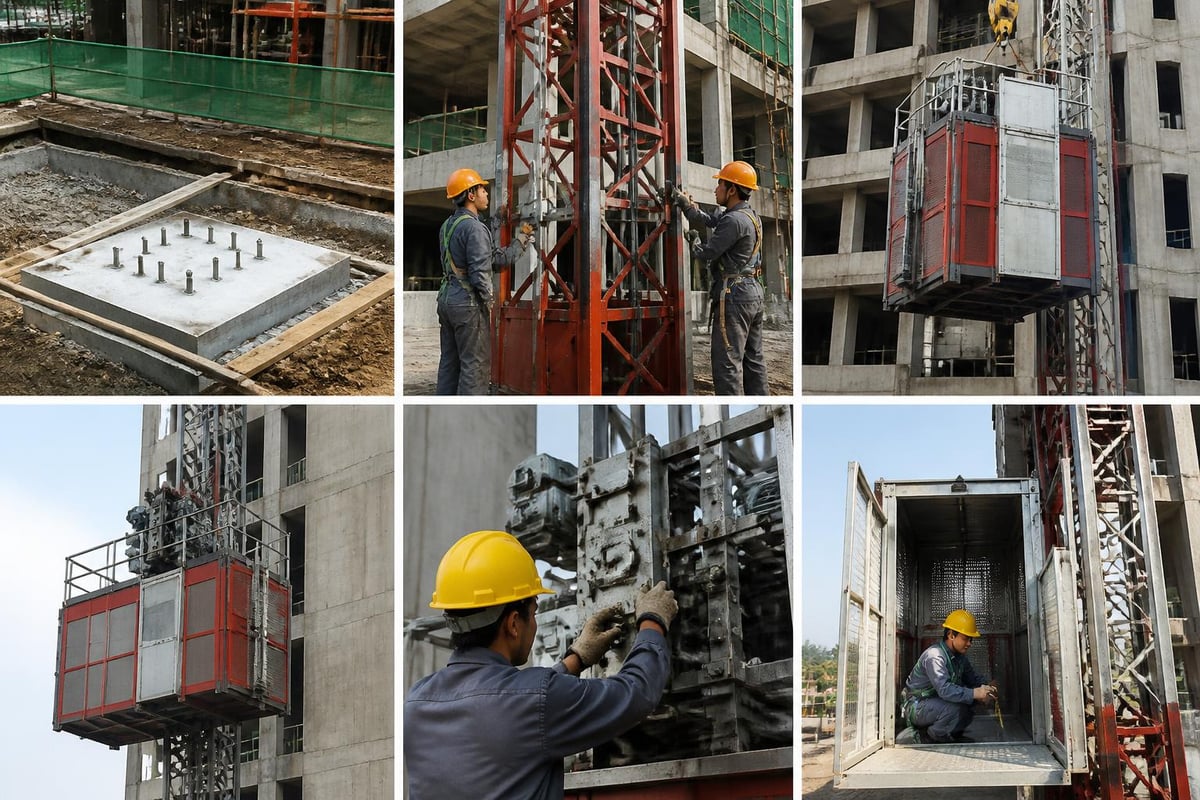
The physical installation of an elevator for construction follows a systematic sequence designed to minimize delays and maximize safety.
Foundation and Base Installation: The process begins with establishing a solid foundation capable of supporting the entire elevator system. This involves concrete work, anchor bolt placement, and leveling procedures that create a stable platform.
Guide Rail Assembly: Vertical guide rails are installed with precision alignment, as these components determine the smoothness and safety of elevator operation. Each section is carefully plumb-checked and secured.
Car Frame and Platform Construction: The elevator car frame is assembled and positioned within the guide rail system, followed by platform installation and safety barrier attachment.
Mechanical and Electrical Integration
After structural components are in place, mechanical and electrical systems require expert integration. The hoisting mechanism, motor assembly, and control systems must be installed according to manufacturer specifications and regulatory requirements.
Motor and drive installation demands precision alignment to prevent premature wear and operational failures. Modern construction elevators utilize variable frequency drives that provide smooth acceleration and deceleration.
Safety device integration includes the installation of:
- Overspeed governors
- Emergency brakes
- Door interlocks
- Limit switches
- Emergency communication systems
Inspection and Certification Requirements
Every elevator for construction must undergo rigorous inspection before operational approval. The elevator inspection process during construction involves multiple stages conducted by certified inspectors.
Staged Inspection Protocols
Construction elevator inspections occur at specific project milestones rather than as a single final review. This staged approach identifies potential issues early when corrections are less costly and disruptive.
| Inspection Stage | Focus Areas | Required Documentation |
|---|---|---|
| Pre-Installation | Site preparation, permits | Engineering drawings, permits |
| Rough-In | Guide rails, supports | Installation records, materials certificates |
| Mechanical | Motors, drives, safety devices | Test results, calibration data |
| Final | Complete system operation | All previous documentation plus operational tests |
Building inspection authorities require comprehensive documentation at each stage, including test results, material certifications, and contractor qualifications.
Operational Testing Requirements
Before an elevator for construction receives certification for use, it must successfully complete operational testing protocols. These tests verify that all safety systems function correctly under various conditions including:
- Full load capacity tests
- Emergency brake activation
- Power failure scenarios
- Door safety mechanism verification
- Communication system functionality
Testing must be witnessed by qualified inspectors and thoroughly documented for regulatory compliance.
Safety Management During Construction Use
Operating an elevator for construction requires ongoing safety management beyond initial installation and certification. Project managers must establish clear protocols governing elevator use throughout the construction phase.
Operator Certification and Training
Many jurisdictions require dedicated elevator operators with specific certification for construction applications. Operator training covers:
- Normal operation procedures and best practices
- Load capacity limits and weight distribution
- Emergency response protocols
- Daily inspection requirements
- Communication with ground personnel
Proper training reduces accidents significantly. Statistics show that properly trained operators prevent the majority of construction elevator incidents.
Access Control and Usage Restrictions
Construction elevators have specific operational requirements that limit who can access the system and under what conditions. These restrictions typically include:
- No public access during construction phases
- Qualified operator requirements for all movements
- Maximum passenger limits strictly enforced
- Material loading procedures and weight verification
- Restricted hours of operation aligned with work schedules
Daily Inspection and Maintenance Protocols
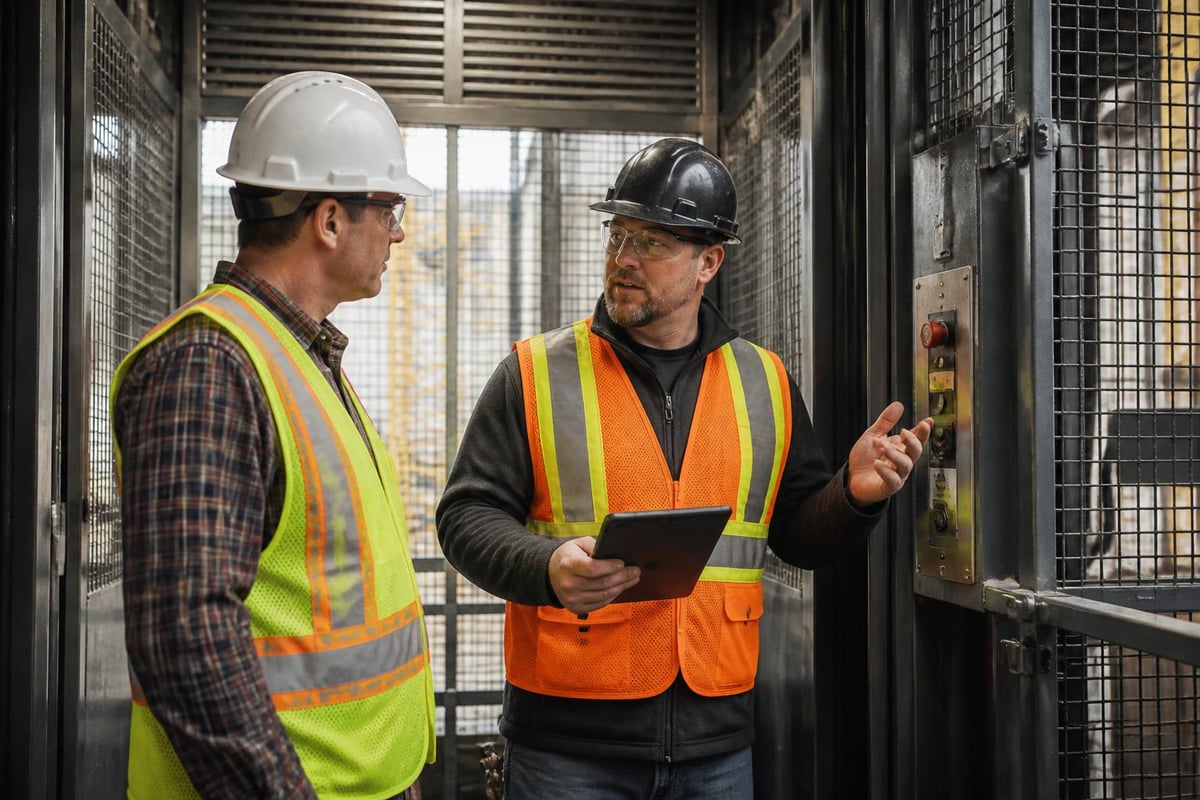
Every elevator for construction requires daily pre-use inspections performed by qualified personnel. These inspections identify potential issues before they become safety hazards or cause operational delays.
Daily inspection checklists should include:
- Visual examination of guide rails and mounting brackets
- Door operation and safety interlock verification
- Car platform condition and cleanliness
- Control system responsiveness
- Emergency communication system testing
- Cable and hoist mechanism inspection
Maintenance schedules must be established based on manufacturer recommendations and usage intensity. High-use construction elevators may require weekly or bi-weekly professional servicing rather than monthly intervals.
Transitioning from Construction to Permanent Use
When construction projects incorporate permanent elevators that serve dual purposes during building phases, the transition process requires careful planning and documentation.
Modification Requirements
Elevators used during construction often require modifications before they can serve as permanent building systems. These modifications address:
Interior finishing: Construction-grade protective coverings are removed and replaced with permanent cab finishes, flooring, and lighting fixtures.
Control system upgrades: Basic construction controls may be upgraded to include features like destination dispatch, security integration, and building management system connectivity.
Safety feature additions: Permanent installations may require additional safety features not necessary during construction, such as fire service operation or seismic protection systems.
Final Certification Process
The transition to permanent use triggers a new certification process. Inspectors verify that the elevator meets all requirements for public use, not just construction-phase operation. This includes:
- Complete documentation review
- Full safety system testing
- Compliance verification with current codes
- Operational performance validation
- Accessibility standards confirmation
Professional elevator services that specialize in both installation and maintenance can streamline this transition process, ensuring continuous compliance throughout the building lifecycle.
Selecting the Right Construction Elevator Provider
Choosing a qualified elevator provider for construction projects directly impacts safety, timeline adherence, and long-term reliability. In Punjab, Pakistan, the best lift installation companies demonstrate specific qualifications that set them apart.
Evaluation Criteria for Providers
Experience and track record: Top elevator companies in Punjab, Pakistan, should demonstrate extensive experience with construction elevator projects similar in scope and complexity to your planned development.
Certification and licensing: Verify that providers maintain current certifications, qualified technicians, and appropriate insurance coverage. This protects your project from liability and ensures work meets regulatory standards.
Comprehensive service offerings: The best providers offer complete solutions including design consultation, installation, inspection coordination, maintenance, and emergency response services.
| Service Component | Why It Matters | Questions to Ask |
|---|---|---|
| Design Engineering | Proper sizing and specification | Do you provide custom engineering? |
| Installation | Safe, timely project completion | What is your typical timeline? |
| Inspection Coordination | Regulatory compliance | Do you manage inspector scheduling? |
| Maintenance | Ongoing reliability | What maintenance packages are available? |
| Emergency Service | Minimized downtime | What is your emergency response time? |
Home Lift and Passenger Lift Expertise
For residential and commercial projects, providers should demonstrate specialized knowledge in both home lift and passenger lift applications. Construction projects in Punjab increasingly incorporate residential elevator systems, requiring providers who understand the unique requirements of home installations alongside commercial applications.
HABRICK Engineering specializes in passenger lift solutions that serve construction projects from initial building phases through permanent installation and long-term maintenance.
Cost Considerations and Budget Planning
An elevator for construction represents a significant project investment that requires careful budget planning. Understanding cost components helps project managers allocate resources appropriately.
Direct Cost Components
- Equipment purchase or rental fees
- Installation labor and crane services
- Permits and inspection fees
- Electrical infrastructure upgrades
- Safety equipment and signage
- Operator wages throughout construction
Indirect Cost Factors
Beyond direct expenses, construction elevators impact project budgets through productivity effects and timeline considerations. Properly sized elevator systems accelerate construction schedules by improving worker and material movement efficiency.
Timeline savings often justify premium equipment choices. A faster elevator system may cost more initially but deliver substantial savings through reduced construction duration and associated overhead costs.
Technology Advances in Construction Elevators
Modern construction elevators incorporate technological advances that improve safety, efficiency, and project management capabilities. These innovations are transforming how construction sites utilize vertical transportation.
Smart Monitoring Systems
Contemporary elevator systems for construction include remote monitoring capabilities that track:
- Real-time usage statistics and load data
- Maintenance needs and performance metrics
- Safety event logging and analysis
- Energy consumption patterns
- Operational efficiency indicators
This data enables proactive maintenance scheduling and helps identify usage patterns that may indicate safety concerns or operational inefficiencies.
Enhanced Safety Features
Recent safety innovations include advanced door sensors, improved emergency communication systems, and intelligent control systems that prevent unsafe operating conditions. These features exceed basic regulatory requirements, providing additional protection for construction workers.
Integration with building management systems allows coordination between elevator operation and other construction site safety protocols, creating comprehensive protection frameworks.
Successful construction projects depend on reliable vertical transportation that meets safety standards while supporting efficient operations. From initial planning through final certification, an elevator for construction requires professional expertise, regulatory compliance, and ongoing maintenance commitment. Whether you're developing residential towers, commercial complexes, or industrial facilities in Punjab, partnering with experienced providers ensures your project benefits from safe, reliable elevator solutions. HABRICK Engineering Lift & Elevator Works brings decades of expertise in elevator design, installation, and maintenance to construction projects throughout Pakistan, delivering the quality and reliability your development deserves.
Article written using RankPill.